 Choose Language
Choose Language
Choose Language
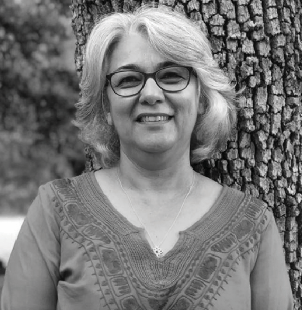
Guest Blog by Susan Hansen, Dual Language Instructional Coach
at Leander Independent School District
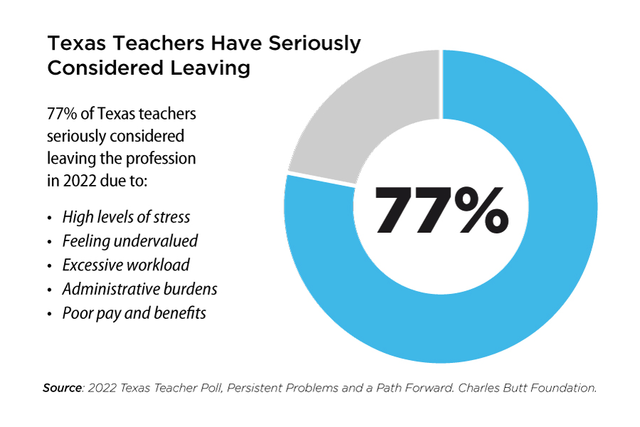
At a recent SXSW EDU panel my colleagues and I were asked to reflect on the fact that 77% of Texas teachers have thought about leaving the profession. I have witnessed firsthand this upsurge in teachers leaving over the last three years.
My job as an instructional coach at Leander ISD is to support teachers, but I have had to assume teaching classes mid-year two years in a row. I love teaching; being a classroom teacher is an honor and has helped me be a better coach. But it has also been hard. It takes weeks to build a classroom community.
Students, be they in kindergarten or eighth grade, become attached to their teachers. For some, school is the place where they hope to rely on consistency and stability they may lack at home. Efforts to improve schools also take time. Most initiatives require three to five years to yield results. When teachers leave, their teams have to start over, creating a new professional community with new members.
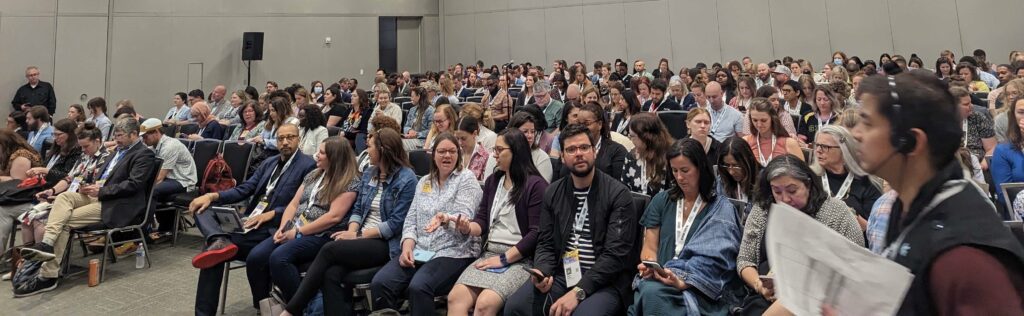
When asked during this panel what resonated with me about the teacher retention statistics, I looked at the packed ballroom at this international conference and remembered my educational journey through three continents. I grew up in Iran in the 1960s and 1970s. No one in my circle of family, friends, or neighbors attended public schools. I knew public schools existed, but it was thought to be for those who had no means to attend private ones. My father worked multiple jobs, tapped into his network of clients, and found connections to get my brother and me into a good private school.
In the 1990s, my husband and I were living and working in Venezuela. Once our first child was born, we were advised by friends to start thinking about where she would be attending school. Again, public schools existed but often lacked the physical and human infrastructure to provide basic instruction. Teachers often went unpaid for months–which meant they had to find employment elsewhere, which meant classes could not meet. Buildings lacked the basics such as plumbing, which meant the school could not start.
Those following the news from Iran and Venezuela know that neither country is considered remotely democratic. Human rights are violated on a daily basis and both countries, rich in many resources, have failing economies that have left their populations hungry and destitute.
A strong public education system that trains citizens to think critically about their history, understand why their participation in civic life matters and have the skills to contribute to the betterment of their communities is a prerequisite for a strong democracy. At the heart of that system are teachers.
“A strong public education system that trains citizens to think critically about their history, understand why their participation in civic life matters and have the skills to contribute to the betterment of their communities is a prerequisite for a strong democracy. At the heart of that system are teachers.“
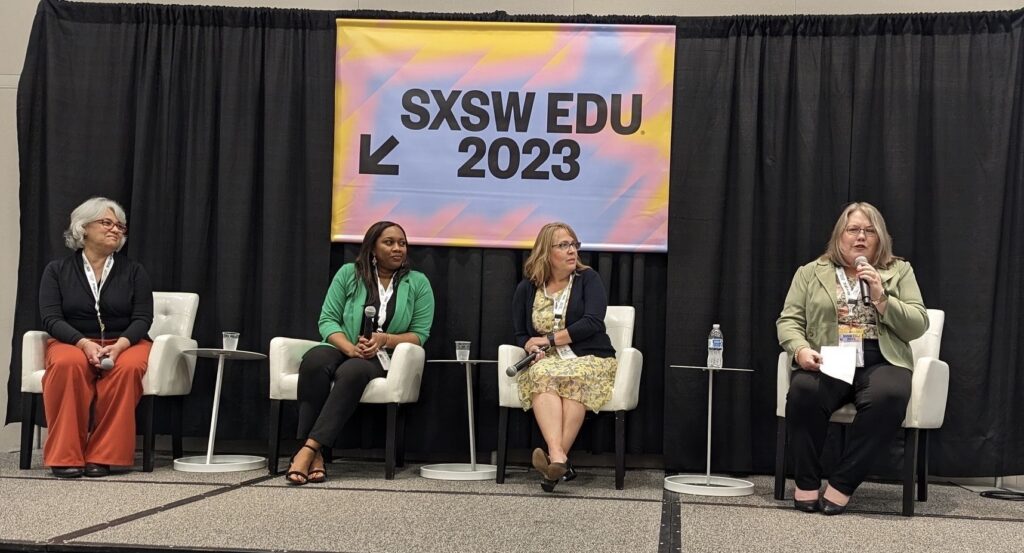
Listening to my colleagues Stephanie Stoebe and Yisbeth Puckett, who shared the stage with me, and hearing JoLisa Hoover of Raise Your Hand Texas present the research results about teacher retention, I was left with these thoughts: Low pay, lack of autonomy, little trust in the profession and unsustainable working conditions are driving teachers out and away, while the overzealous use of technology and scripted curriculums attempt to replace teachers altogether. Can we imagine a schoolhouse without caring humans who connect the subjects they love to students they care deeply about? I doubt valedictorians will thank any iPad apps in their graduation speeches or attribute their success to the online platforms they have used. But they will remember the teachers who guided and encouraged them and showed them a glimpse of their potential.
If we continue to callously pull the rug from under public schools by allowing vouchers for private schools to take the much-needed funds…
If we continue to beat down the hard-working public school teachers that work well beyond their contracted hours for what is really a stipend, not a salary…
If we continue to allow people that have no training or background in education, child development, and learning theory to make school policies…
Then, we may end up with a public school system that undermines our democracy and the well-being of our society.


At Raise Your Hand Texas, we believe public education is…
For more than 80% of Texas schools, an A-F accountability…
Raise Your Hand Texas hosted candidate forums and town halls…