Driving Real Change Through Advocacy: Three Takeaways from the 2026 Community Leaders Fellowship Retreat
At Raise Your Hand Texas, we believe public education is fundamental to the future of our state. We …
 Choose Language
School bonds are one piece of the larger funding system that supports Texas public schools. In addition to decisions made at the Texas Capitol about the basic allotment and other funding allocations for public schools, voters are sometimes asked by their locally elected school boards to decide whether to approve general obligation bonds.
Bond elections can fund major investments in school facilities, including new construction, renovations, safety and security improvements, technology infrastructure, and other long-term needs that help keep schools safe, modern, and equipped to serve students.
In Texas, school finance separates funding for buildings and infrastructure from funding for day-to-day classroom operations. Bond dollars are restricted to voter-approved capital purposes and cannot be used to pay teacher salaries, fund student programs, or cover other routine operating expenses.
At the same time, some public school districts remain fast-growing and have increasing needs for additional school facilities. Many public school districts are managing aging facilities, ongoing building maintenance and safety upgrades, and shifting enrollment patterns that can strain resources or leave campus capacity underused.
With limited state support for facilities, these local decisions often reflect how communities choose to respond to very real and evolving infrastructure needs in their schools.
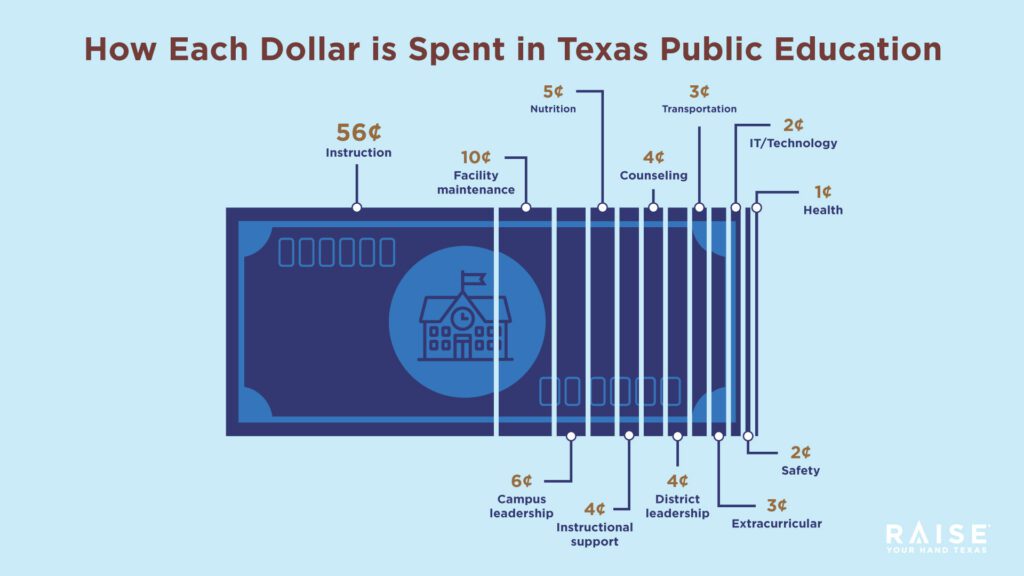
Texas law requires school districts to keep their funding in two entirely separate accounts, often called “silos.” Texas school finance separates funding for day-to-day operations from the taxes used to repay debt for facilities. This includes:
Maintenance & Operations: This type of funding covers the day-to-day costs of classroom operations, including teacher salaries, books, utilities, and student programs.
Did you know? Maintenance and Operations funds are already stretched thin. About 70% of Maintenance and Operations budgets are dedicated to salaries and benefits for teachers and staff. The remaining 30% pays for other essential operations, including transportation, utilities, instructional materials, training, and basic campus needs.
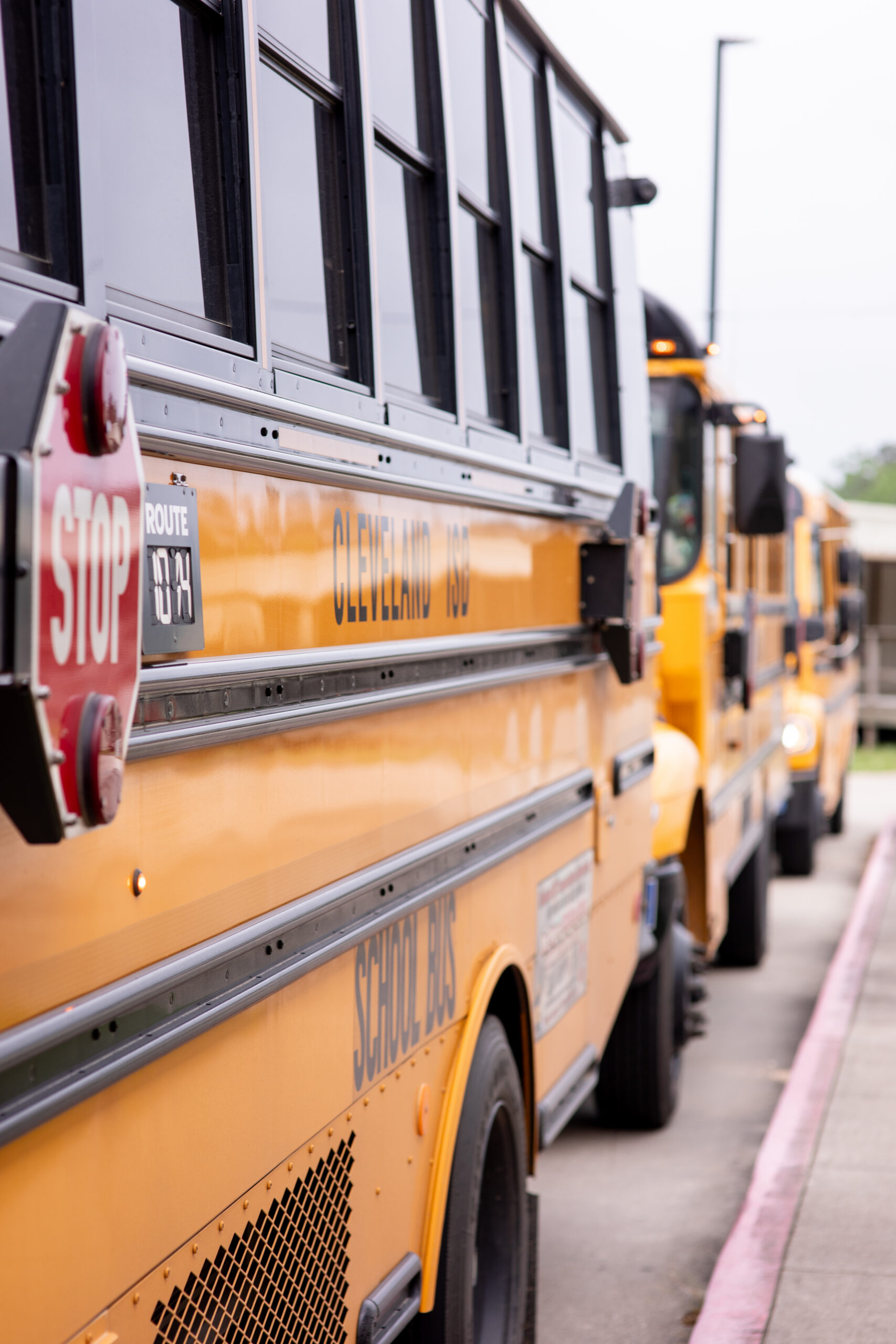
Bond/Capital Funding: This funding is strictly for long-term investments in a school’s infrastructure. It is the pot of money that can be used to build new schools, renovate aging facilities, or purchase new school buses.
Did you know? Bond proceeds may be used for voter-authorized capital purposes, including land, facilities, renovations, buses, technology, and certain equipment. Debt is repaid through the “interest and sinking” tax rate, which is legally separate from the maintenance and operations tax rate. Bond funds cannot be used for salaries, utilities, supplies, or other day-to-day costs. Districts must use bond proceeds for the purposes authorized in the voter-approved proposition.
Bottom line: Bond proceeds cannot be redirected to operating expenses such as teacher salaries. For example, a district cannot take money meant for a new roof (bond) and use it to give teachers a raise (maintenance and operations).
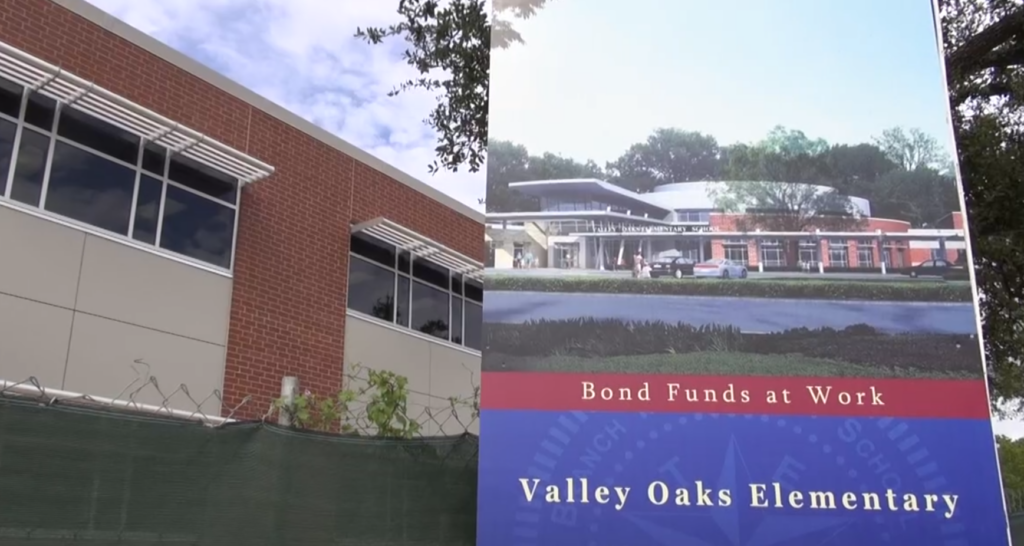
There are many steps a locally elected school board and district must complete before a bond may appear on a voter’s ballot. Requirements for bond elections include required transparency for voters and taxpayers, and many audit and reporting requirements to both local taxpayers and to the State of Texas:
Community planning process
Voter approval required
Separate propositions by purpose
Clear ballot language
Voters can split their vote
Sometimes local communities turn to bond measures to close a funding gap from the state. Currently, the state of Texas contributes only about 7% to 9% of the overall cost of school facilities statewide, often even less in faster-growing districts, which face greater demand for new facilities to keep pace with student population growth.
Today, more than 90% of the responsibility for safe, modern buildings rests on local taxpayers.
Furthermore, while the cost of everything from air-conditioning units to construction materials has experienced double-digit inflation since 2019, the state’s basic allotment, the fundamental dollar amount provided per student, has not kept pace. Rising inflation has also impacted existing, voter-approved school bond projects with materials and construction costs rising, too.
Because the state’s funding formulas have remained relatively stagnant, local school bonds have become one way for communities to address aging infrastructure, meet increasing demands for additional school facilities, or ensure security needs are met.
When a district proposes a bond, it is essentially asking for the community’s permission to invest in “bricks and mortar” funding to keep our local schools well-maintained and equipped for the future.

At Raise Your Hand Texas, we believe public education is fundamental to the future of our state. We …

For more than 80% of Texas schools, an A-F accountability rating hinges on one factor: results from …

Raise Your Hand Texas hosted candidate forums and town halls across Texas in advance of the March 3 …