
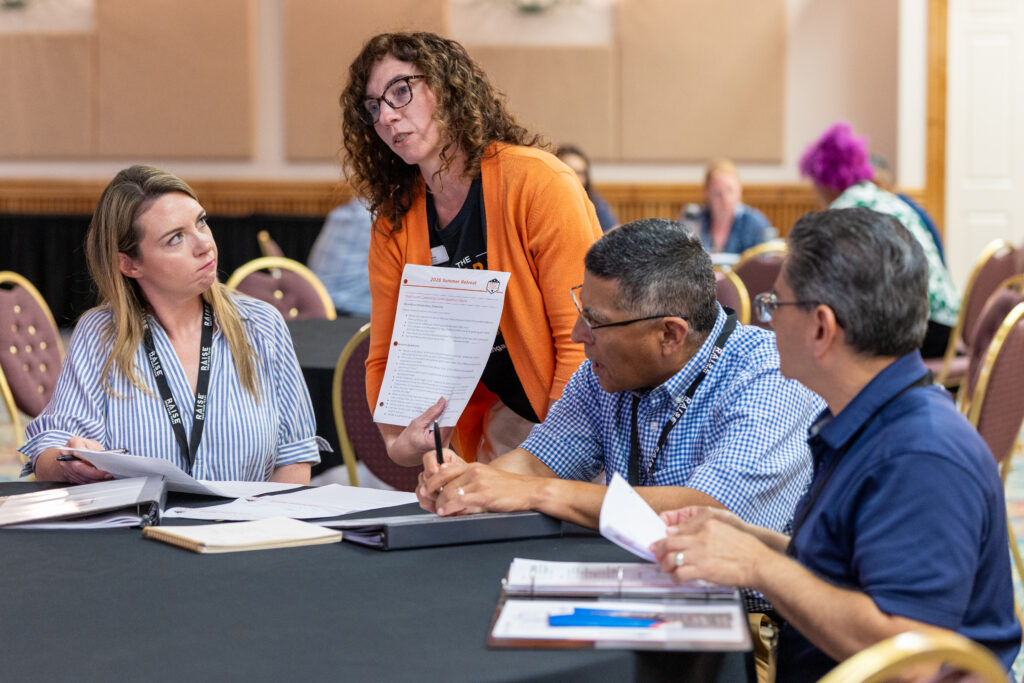
Every public education advocate has a “moment”—a single experience that pulls them from the sidelines and into the fight. My journey into advocacy officially began 20 years ago as a room mom in my daughter’s kindergarten class in Plano ISD. But when I think about it, the spark was actually lit much earlier, during my time as a college student at North Carolina State University.
While studying to become a math teacher, I took a course focused on special education and students with diverse learning needs. We dove deep into the realities of dyslexia, speech impediments, and reading challenges. The final lesson was simple but profound: Once you understand these challenges, you realize someone has to be that child’s voice.
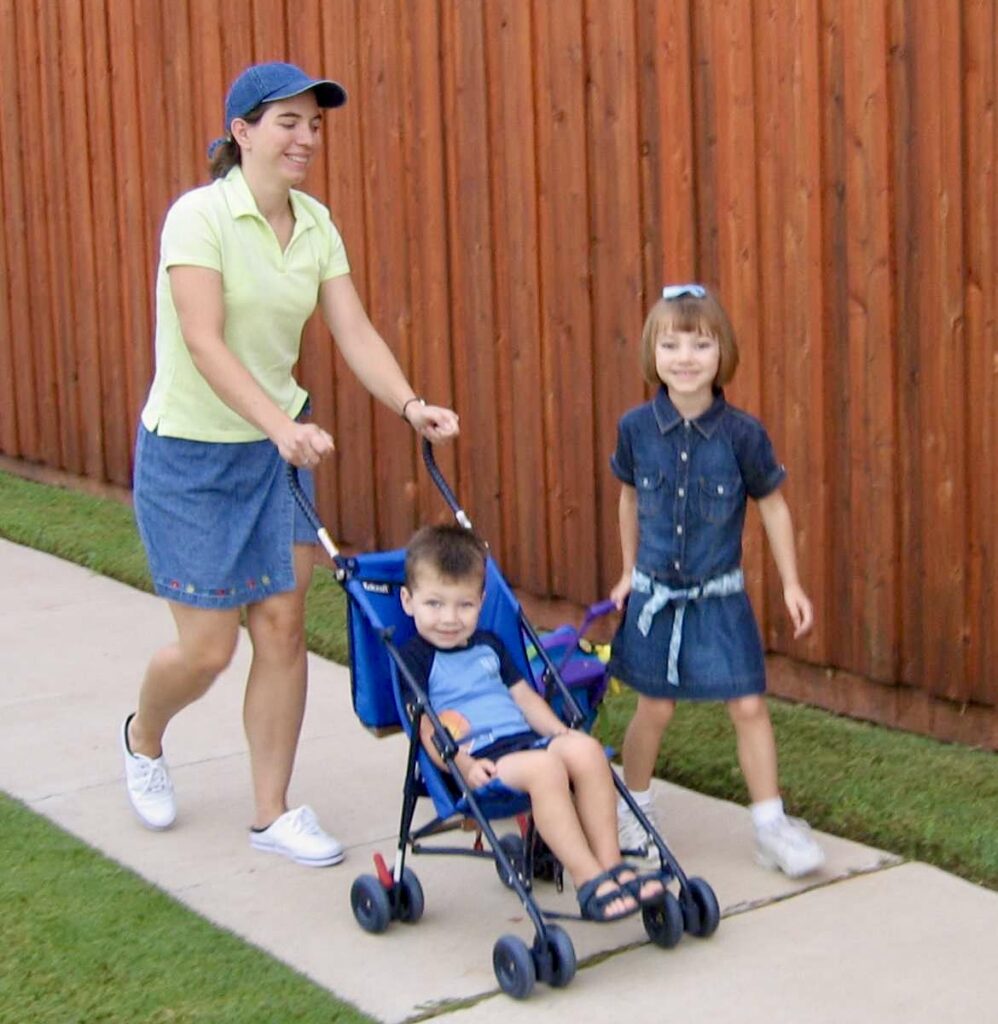
I decided then to be someone who stands in the gap. Years later, I saw the power of advocacy firsthand when a friend’s daughter wasn’t receiving the dyslexia support she was legally entitled to. That experience drove me to study Texas law and fight alongside her parents to ensure she had a structure that let her learn. That belief—that every child deserves the resources to reach their full potential—led me from the classroom to the PTA, and eventually to Raise Your Hand Texas.
Today, I am standing in the gap for all 5.4 million Texas public school students. Despite the state’s massive economy, we face a funding crisis we can’t ignore.
Right here in Richardson ISD, this year’s school board trustees approved a $20.8 million deficit budget, requiring staff reductions and other cuts.
While the 89th Texas Legislature provided an $8.5 billion infusion, it simply wasn’t enough to keep up with historic inflation or prevent local budget deficits. Across my Raise Your Hand Texas region in Collin, Delta, Denton, Fannin, Franklin, Grayson, Rockwall, and Wise counties, and throughout the state, we see the results of this underfunding daily: larger class sizes, heavier workloads for teachers, and the painful closure of neighborhood schools.
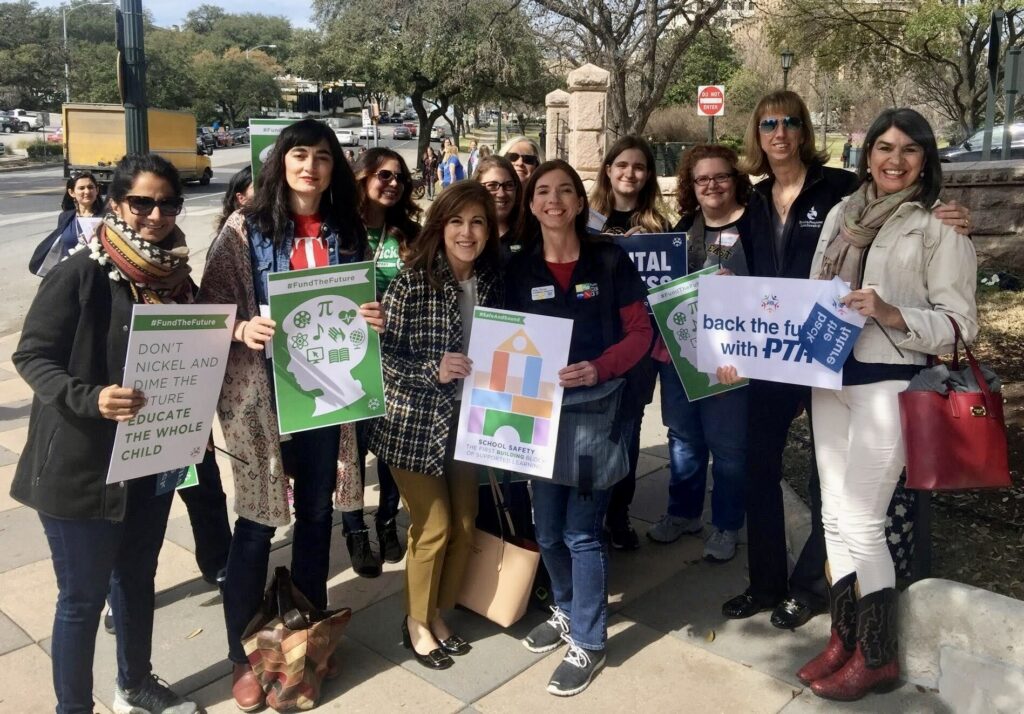
The bottom line: Texas ranks among the bottom 10 states nationally in per-pupil spending, trailing the national average by about $3,500 per student.
We need a lasting investment in our public schools. We need to move Texas beyond the uncertainty of two-year budget cycles. Unlike our existing Permanent School Fund, which effectively “supplants” or replaces state general revenue, we should look to supplement existing funding and support effective workforce education, such as Career and Technical Education (CTE). We should look to create a permanent, growing revenue stream for our schools without raising a single cent in new taxes. Our goal should be to generate a reliable, compounding revenue stream that isn’t subject to political winds. Such an effort could be the first new funding source for public education in 20 years.
Public education is not just another line item in a budget; it is the best investment our state can make. I have seen the difference one teacher and one well-funded program can make in a child’s life. It’s time for Texas to make a permanent promise to our kids. Let’s create a legacy of support that reflects the true strength and ambition of our state.


