 Choose Language
Choose Language
Choose Language
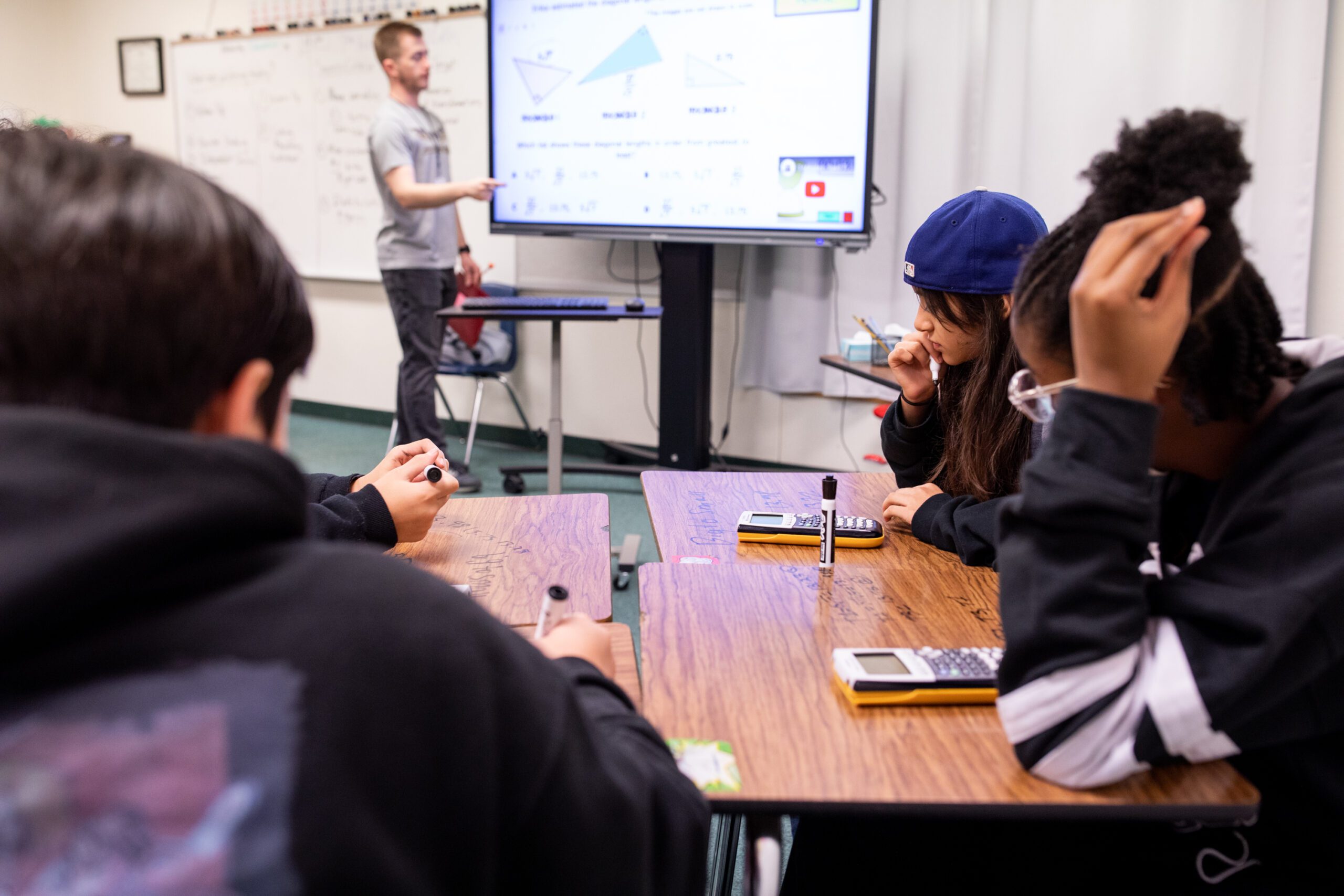
In the summer of 2025, at the end of the second called special session, the Texas Legislature passed House Bill 8 (HB 8), a law that will overhaul the state’s standardized testing system. Beginning in the 2027–28 school year, the single, high-stakes STAAR test will be replaced by a new program called the Student Success Tool. While this change is meant to address long-standing frustrations with STAAR, many parents and school administrators are concerned that the law leaves the controversial foundation of Texas’ A-F accountability system firmly in place.
The ongoing concern about Texas’ assessment and accountability system lies in how our schools are graded and funded. For parents like Erika Ramos, a Fort Worth business owner whose children will soon enter public school, the current system is troubling.
“We should absolutely assess our students and use that actionable data to ensure that our students’ individual learning needs are met,” said Ramos. “But, it’s also a little worrisome when you hear parents share that they feel like their children are being taught to a test and our schools are not more comprehensively graded on the development of the whole child or everything that goes into their education experience.”
That sentiment is echoed by some school leaders as well. Dr. Carnelius Gilder, Superintendent of West Sabine ISD, has been a vocal critic of the high-pressure, single-day testing model.
“I am not a fan of weighted accountability of one test on one day,” Dr. Gilder said, adding that he’s not yet convinced the new model is the answer. “And I don’t know if I’m comfortable making kids take tests in September, January, and April. The state of Texas should focus on the growth of kids.”
Under HB 8, Texas will swap out the single STAAR test for potentially three shorter assessments administered at the beginning, middle, and end of the school year.
Experts believe this “through-year” model has two major benefits:

Despite the new structure, a critical piece of the puzzle is missing: how the state will define and measure student growth. This definition is crucial because it directly impacts a school’s A-F rating. The stakes couldn’t be higher—failing grades can trigger state sanctions, including school closures or the takeover of a district’s democratically elected school board.
HB 8 directs the Texas Education Agency (TEA) to develop an annual through-year growth measure, but its role in the accountability system won’t be clear until lawmakers review the TEA’s report, which is due in the 2029–30 school year. This uncertainty leaves superintendents like Dr. Gilder asking tough questions.
“Where is the opportunity to grow? Where is the opportunity to remediate?” Gilder asked. “We now have districts in Texas that are in the improvement/requirement status and never got the opportunity to grow.”
Even though there is still more work to do, some advocates see HB 8 as encouraging progress and proof that their efforts are making a difference.
“I see us planting seeds with people,” said Heather Golden, a public education advocate in Houston. “I do think that it is interesting that they are making a change to the accountability system. It’s a step. And every time there’s a step, you can build on that next time.”


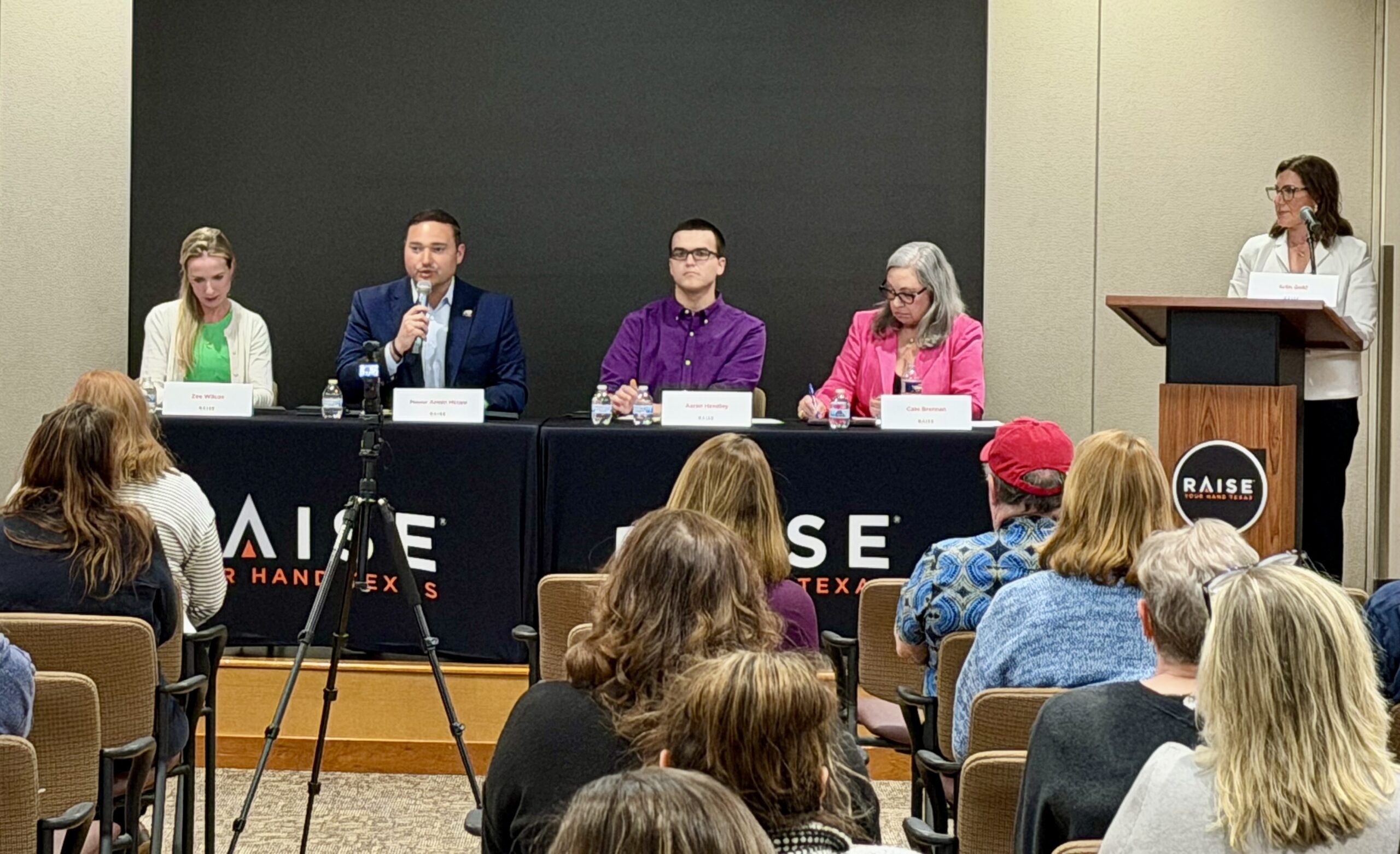
Raise Your Hand Texas hosted candidate forums and town halls…
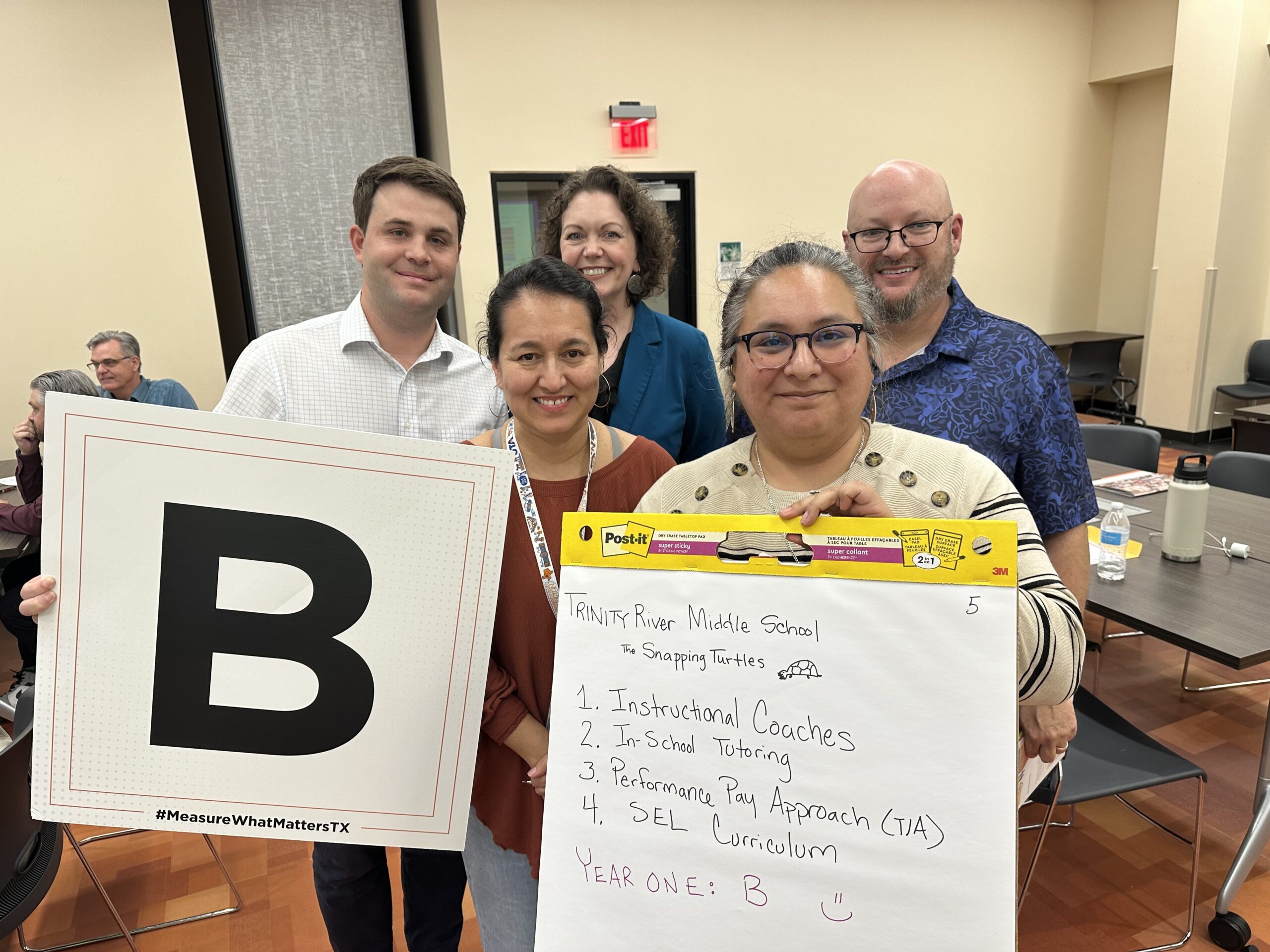
Throughout early 2026, Raise Your Hand Texas hosted a series…

Raise Your Hand Texas believes that effective advocacy takes all…