 Choose Language
Choose Language
Choose Language

For more than 80% of Texas schools, an A-F accountability rating hinges on one factor: results from the single, high-stakes STAAR test. These ratings are used by the state to evaluate campus performance and inform decisions about instruction, interventions, and public reporting.
Because of its central role in Texas education, the A-F accountability system has drawn criticism. A Raise Your Hand Texas poll found that 83% of respondents believe public schools should not be graded solely on STAAR performance.
“Because accountability ratings are based on a single test on one day, you miss the bigger picture regarding what is taking place in our schools,” said Libby Cohen, executive director of Raise Your Hand Texas. “Accountability ratings drive real decision-making inside schools, so it’s crucial to understand how this system works and its implications.”
The STAAR is the state’s standardized test designed to measure how well students are mastering grade-level curriculum in core subjects. It replaced the Texas Assessment of Knowledge and Skills in 2011.
Four years later, Texas launched the A-F accountability system, turning STAAR results into a letter grade. Before this, schools were labeled acceptable or unacceptable.
“The drive was to create a more informative and comprehensible system for parents while encouraging competition among school districts and campuses,” Cohen said.
The Texas accountability system assigns A–F letter grades to campuses and districts across three domains: Student Achievement, School Progress, and Closing the Gaps. While these domains are designed to provide a multi-dimensional view of performance, the reality is that for the vast majority of Texas schools—approximately 80% of campuses, including all elementary and middle schools—the final grade is determined solely by performance on the STAAR test.
For high schools, the formula is slightly more varied, incorporating STAAR scores alongside graduation rates and College, Career, and Military Readiness (CCMR) indicators.
Lawmakers revisited school accountability during last year’s special sessions, ultimately passing House Bill 8 (HB 8)—a change that will create a series of shorter tests starting in the 2027-28 school year, while keeping the high-stakes structure intact.
More data, same high stakes
HB 8 introduces the state’s new Student Success Tool, a through-year testing model designed to replace STAAR. The new tool is set to be administered in the 2027-2028 school year. Instead of relying on a single end-of-year exam, the through-year model uses multiple tests given at the beginning, middle, and end of the year—each acting as a snapshot of student learning at that point in time and together providing a more complete picture of growth.
While the beginning-of-year and middle-of-year tests may be administered, they are not factored into accountability—meaning A-F ratings for elementary and middle schools are still based on a single end-of-year STAAR exam.
Many parents, educators, and advocates say the changes fall short of addressing the system’s core issues.
“State assessment is intended to address student needs, instructional goals, and our progress at meeting those objectives, but for a long time, it has failed to measure these areas accurately,” said Christopher Scott Sierra, former San Antonio ISD teacher. “This latest iteration of state-mandated testing seems destined to fail just as previous ones have. The format and content of the test are so cumbersome and confusing that many adults would be puzzled and even frustrated by the test questions. Poorly designed attempts to test deep learning and higher-order thinking skills ultimately create an instrument that doesn’t accurately reflect true student learning and abilities.”
Accountability ratings drive real decisions across districts and inside schools.
For districts and schools, accountability ratings serve as the blueprint for institutional change. These scores dictate resource allocation, staffing structure, and program priority. Ratings also shape how the community sees a school. A single letter grade influences which families enroll, whether neighbors trust the campus, and how much local investment a school receives.
Educators feel the pressure too. Student test performance can determine eligibility for the Teacher Incentive Allotment, a state pay-for-performance program. The pressure also shapes what gets taught. Teachers focus on tested subjects, lose classroom flexibility, and carry added stress.
This weight lands on students as well. Beyond the immediate stress of testing, a low score often pulls him or her away from extracurriculars for mandatory tutoring or remediation. Ultimately, when pacing is driven by a test date rather than curiosity, the classroom experience becomes a race to the finish line.
“The system currently gives a limited view of how schools are preparing students,” Cohen said. “To understand student learning and school quality, we need a comprehensive approach that captures all aspects of education, not just one high-stakes test.”
A better view of performance
Standardized tests can’t capture the full range of learning in schools.
“Having varying indicators is important to understanding a student’s full educational experience,” Cohen said. “It shows a fuller picture of the different types of learning and skills crucial for real-world success—including those that aren’t likely to appear on a standardized test.”
Key indicators identified by educators and advocates as important include:
These measures offer a more complete view of what students gain from school by capturing a diversity of knowledge and skills—including social-emotional learning, teamwork, public speaking, critical thinking, creativity, and problem-solving.
“Our approach to student assessment needs to change because obviously this system isn’t working. We need better indicators of student success and growth,” Sierra said. “We’re reaching a critical point where it’s impacting schools, communities, and kids. The decisions being made right now are shaping what public education looks like long-term, and that has real consequences for students and for our communities.”
What’s next for Texas schools?
With this being an election year, legislators are paying close attention to their constituents’ opinions—and according to Raise Your Hand Texas, it’s crucial for Texans to make their voices heard. It’s also vital for legislators to listen to their constituents’ priorities, as their decisions will affect schools, educators, and students statewide.
“Legislators should take a step back and really look at the landscape that’s been created,” Sierra said. “This isn’t just about testing—it’s about the future of public education and what kind of opportunities students are going to have moving forward.”
Community members can stay involved by attending school board meetings, participating in public forums, joining parent-teacher associations, and following local education news. To stay up to date on education policy, sign up for Raise Your Hand Texas’ Across the Lawn newsletter, or to get involved, please visit www.raiseyourhandtexas.org/get-involved-attend/.



Raise Your Hand Texas hosted candidate forums and town halls…
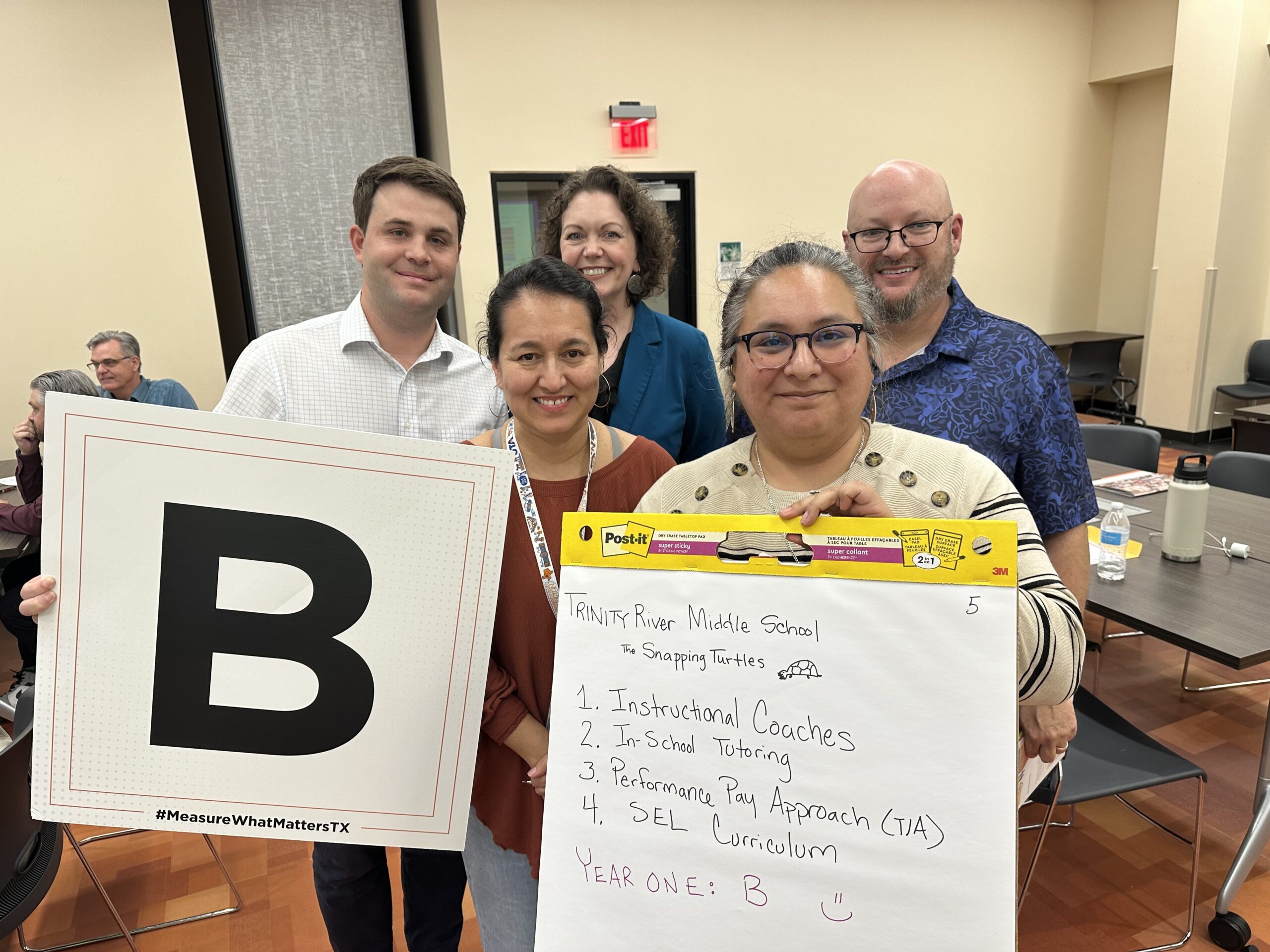
Throughout early 2026, Raise Your Hand Texas hosted a series…

Raise Your Hand Texas believes that effective advocacy takes all…